

Plenary Speakers
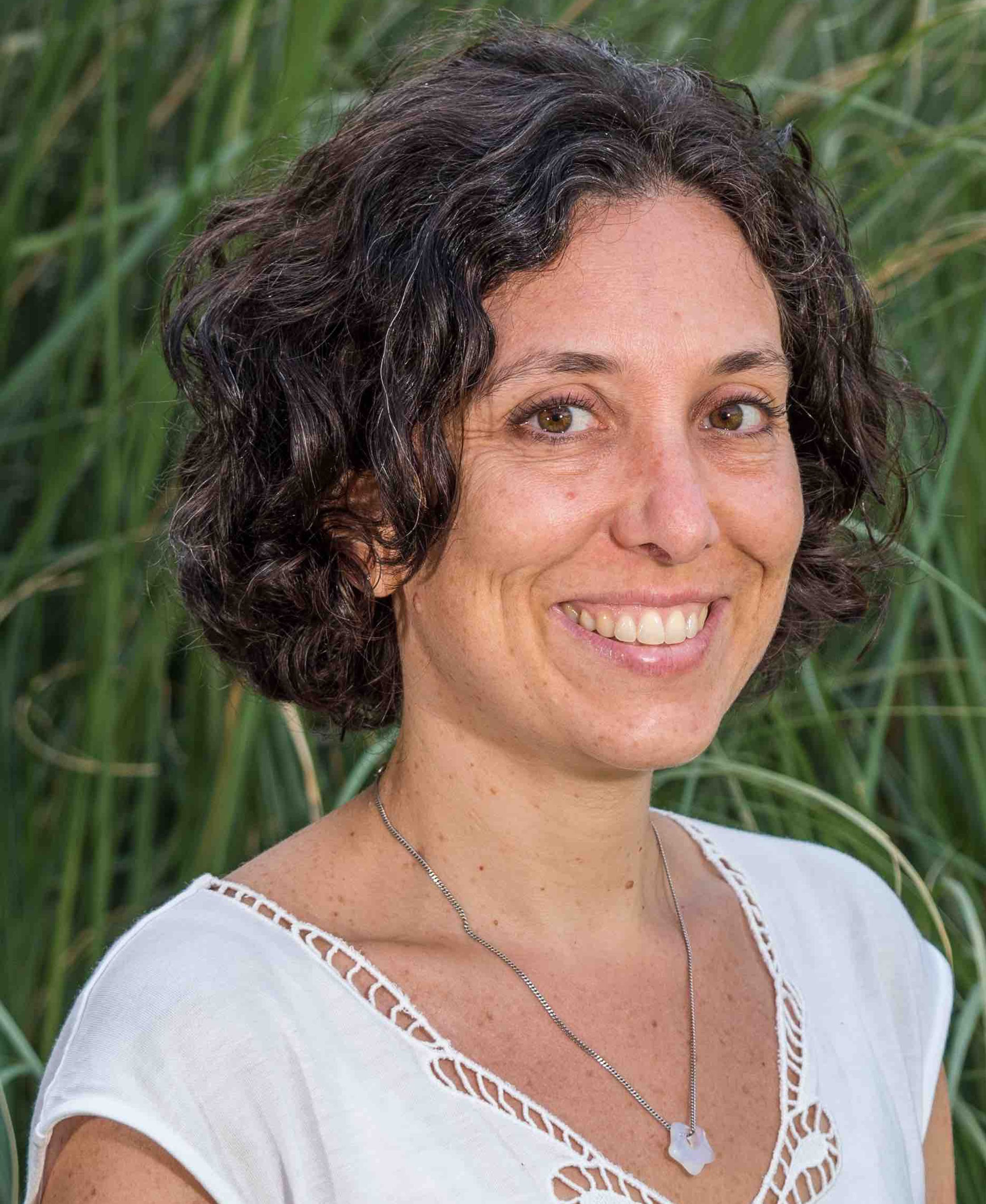
Emmanuelle Reboul
Director of Research
Aix-Marseille Univ, INRAE, INSERM, C2VN, Marseille, France
Emmanuelle Reboul is a Director of Research at INRAE (French National Research Institute for Agriculture, Food, and Environment). She heads the "Micronutrients and Metabolic Diseases" research team at the Cardiovascular and Nutrition Research Center in Marseille, France.
Emmanuelle Reboul earned her engineering degree in nutrition and food science from AgroSup Dijon, France, in 2002. She pursued her master’s and doctoral research at the INSERM “Human Nutrition and Lipids” laboratory in Marseille, where she investigated the intestinal absorption of carotenoids, vitamin A, and vitamin E.
In 2006, she joined Dr. R.S. Molday’s group at the University of British Columbia (Vancouver, Canada), focusing on the molecular mechanisms of ATP transporters. She returned to Marseille in late 2008 as a permanent researcher at INRAE, where her work now centers on the intestinal absorption and membrane transport of fat-soluble micronutrients, such as vitamins A, D, E, K, and carotenoids. Emmanuelle also dedicates part of her research to evaluating how more sustainable diets affect the bioavailability of micronutrients, a topic aligned with the themes of ICFD2026 Session 2: Food Digestion and Its Effect on the Bioaccessibility and Bioavailability of Nutrients and Bioactives.
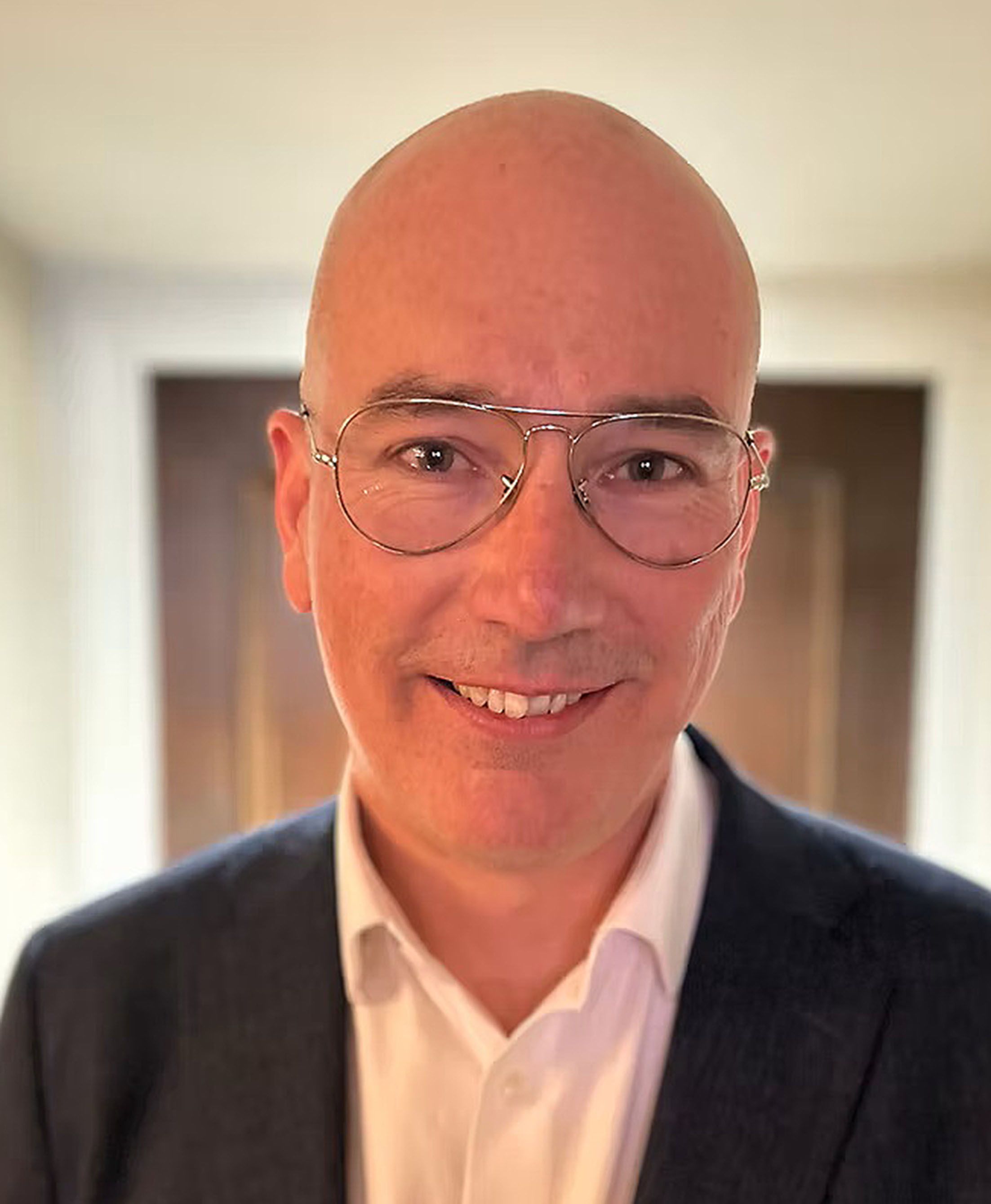
Kieran Tuohy
Chair in Energy Metabolism and Microbiome
School of Food Science & Nutrition, University of Leeds, United Kingdom
Prof Kieran Tuohy is a microbiologist working in the field of nutrition, food science and biotechnology. He received his PhD from the University of Surrey (UK) in 2000 after graduating from University College Dublin, Ireland (BSc, Industrial Microbiology) and from the University of Aberdeen (MSc in Environmental Microbiology). After training as a post-doctoral researcher, Kieran was appointed lecturer in Food Metabolomics at the Department of Food Science and Nutrition, University of Reading. Kieran led the Nutrition and Nutrigenomics Group at the Fondazione Edmund Mach in Trento, Italy, between 2010- 2022 and in February 2022 was appointed chair in Energy Metabolism and Microbiome at the School of Food Science & Nutrition, University of Leeds, UK.
His work focuses on how microbiomes within the gut and along the food chain influence human nutrition, metabolic health, and disease risk. In particular, his group used in vitro colonic models and human dietary interventions to investigate how different functional foods (e.g. probiotics, prebiotics, polyphenols), whole foods (fruit, whole grains) and diets, shape the gut microbiota and its metabolic output. The aim is to identify how dietary modulation of the gut microbiota regulates host health through the flux of metabolites absorbed form the colon. As part of the National Alternative Proteins Innovation and Knowledge Centre at Leeds (NAPIC https://napic.ac.uk/ ), his team also investigates how different alternative proteins impact on the gut microbiota, their production of bioactive compounds and potential to improve host health. He is also part of the Irish Co-Centre for Sustainable Food Systems (https://foodcocentre.org/ ) where his team explores the potential of non-invasive biomarkers of nutrition and their potential application to measure the physiological consequences of transition to a more environmentally friendly diet.
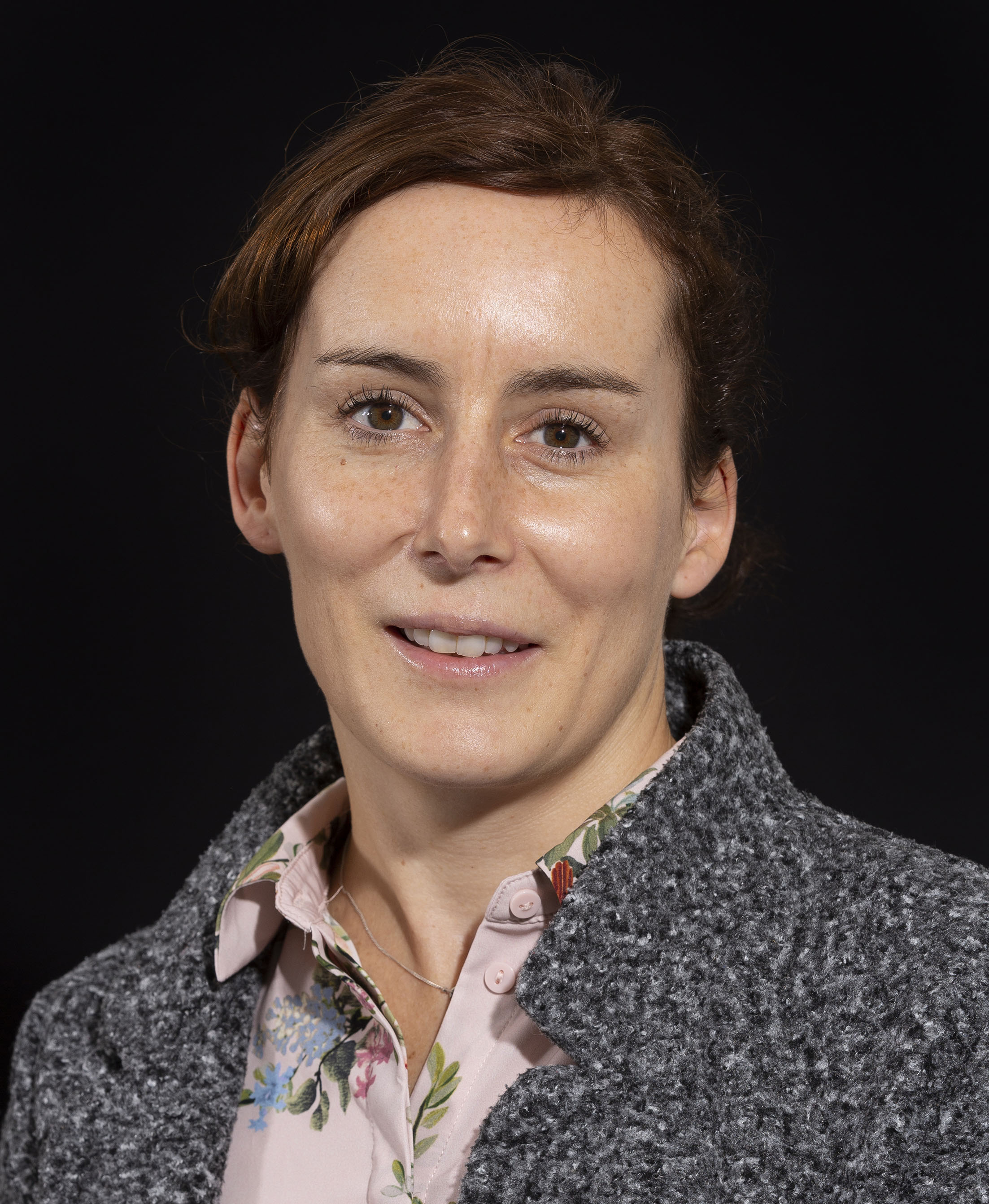
Miriam Clegg
Senior Lecturer in Human Nutrition
Programme Director BSc Nutritional Sciences (Hons)
School of Food and Nutritional Sciences, University College Cork, Ireland
Dr Miriam Clegg is a Senior Lecturer in Human Nutrition and programme lead for the BSc Nutritional Sciences at University College Cork. She is a Registered Nutritionist and member of the Council of Trustees with the UK Association for Nutrition and is on the Editorial Board for the British Journal of Nutrition. At present, her work focuses strongly on exploring nutrient intakes across the lifespan, and the impact that more sustainable diets and foods can have on nutrient intakes and health. She is particularly focused on investigating mechanisms for improving foods, diets and appetite control, and increasing protein intake in older adults. Miriam’s current research is funded by funding obtained from the Irish Health Research Board, UK Research and Innovation (UKRI), Biotechnology and Biological Sciences Research Council (BBSRC) and Medical Research Council (MRC). Miriam became a Senior Fellow of the Higher Education Academy in 2020, and recently, as a member of the UK Quality Assurance Agency (QAA) Advisory Group, has developed the Subject Benchmark Statement for Higher Education in Agriculture, Rural Environmental Sciences, Animal Studies, Consumer Science, Forestry, Food, Horticulture and Human Nutrition.
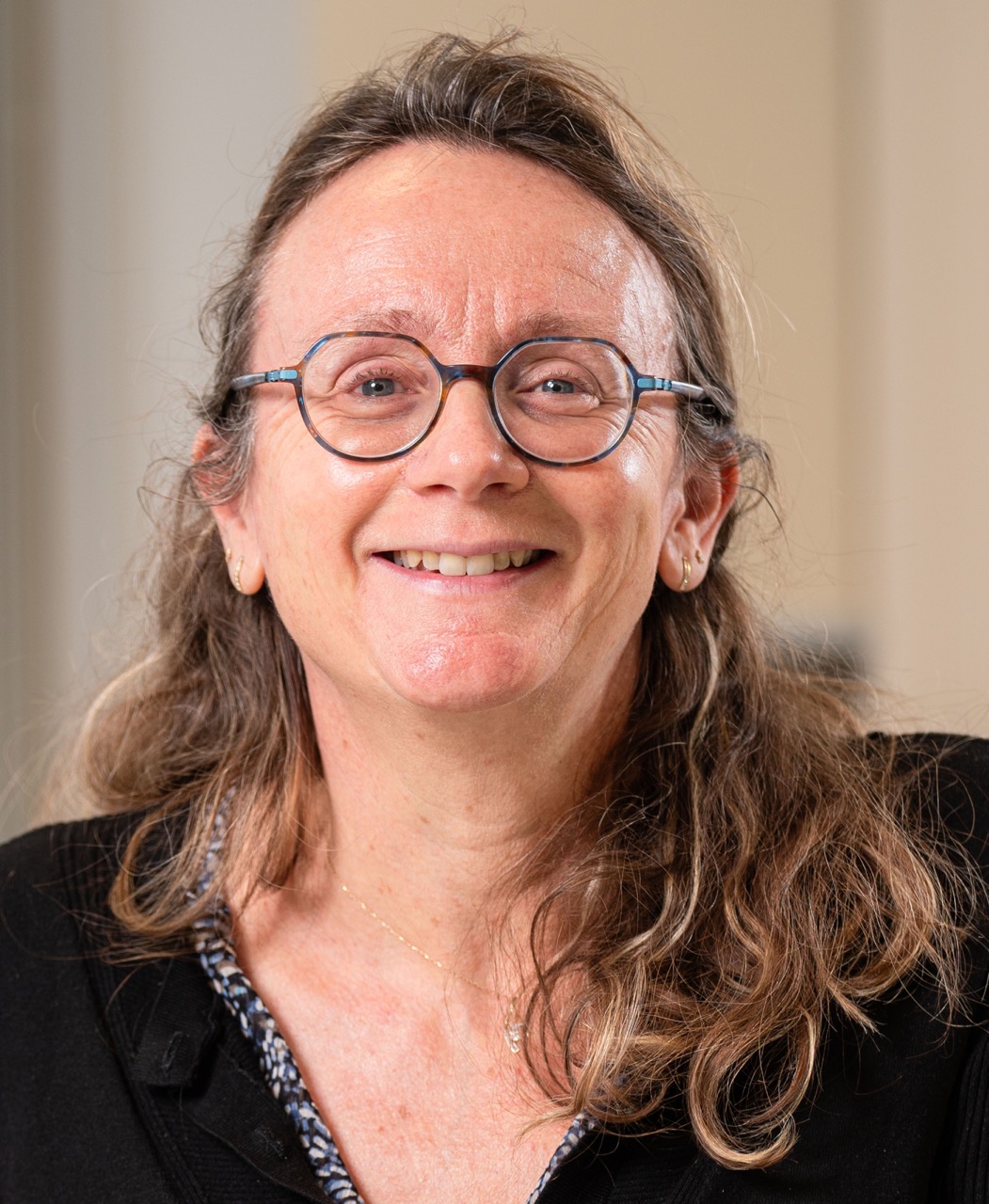
Stéphanie Blanquet-Diot
Full Professor in Microbiology and Biotechnology
University Clermont Auvergne, Clermont-Ferrand, France
Engineer in Food Sciences, Stéphanie Blanquet-Diot is full professor in Microbiology and Biotechnology at University Clermont Auvergne (Clermont-Ferrand, France). She is currently deputy Director of the UCA/INRAE 0454 MEDIS research group (Microbiology, Digestive Environment and Health). She leads the HOMIGUT (Host Microbes Interactions in the Human Gut) international associated lab with Ghent University in Belgium (Prof Tom Van de Wiele) working on human small intestine and associated microbiome. She is also managing an in vitro gut simulation platform combining gastric, small intestine and colon models (including TIM, ESIN, ARILE, ARCOL and SHIME models) and is since 2024 the vice-chair of the INFOGUT CA23110 COST action on in vitro colon models simulating gut microbiota. She has strong expertise in digestive physiology, intestinal microbiology and in vitro gut modelling of human and animal gastrointestinal tract, under both physiological and pathological situations (digestive diseases, obesity, antibiotherapy). She co-authored almost 100 publications in this field of research.
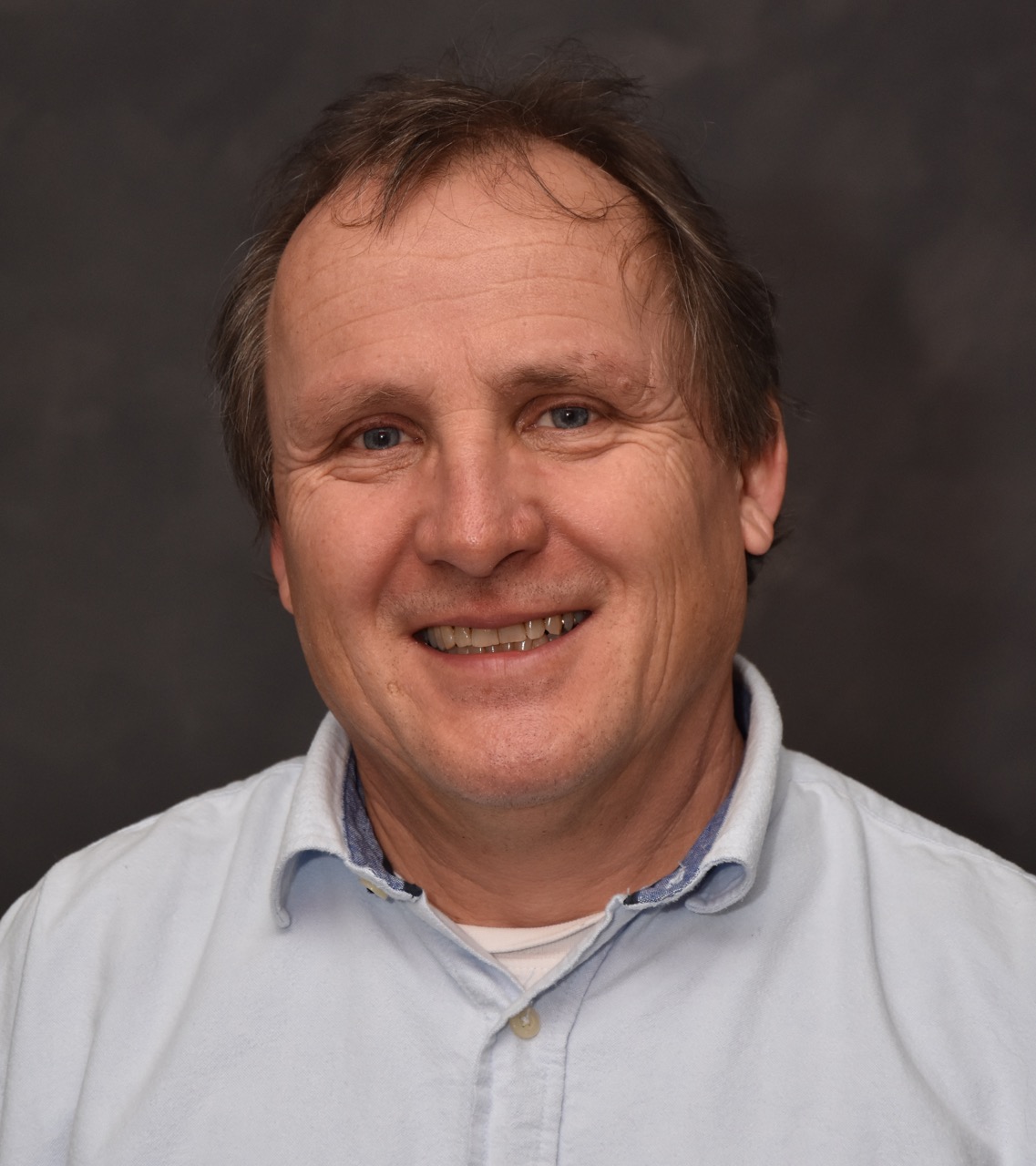
Werner Weitschies
Professor of Biopharmaceutics
Institute of Pharmacy, University of Greifswald, Germany
Professor Werner Weitschies is the Chair of Biopharmaceutics at the Institute of Pharmacy at the University of Greifswald. With a background in academic and industrial pharmaceutical research, he specialises in developing advanced oral drug delivery systems and applying in vivo imaging technologies and predictive biopharmaceutical testing methods to these systems.
He has authored over 300 publications and holds more than 30 patents in this area. His primary research interest lies in understanding gastrointestinal drug transit and absorption. To this end, he has developed innovative tools such as magnetic marker monitoring and ingestible systems to track the behaviour of dosage forms in humans. He is also involved in designing and evaluating patient-centred, physiologically relevant dosage forms, particularly for ageing populations.
He is a founding member of the interfaculty Centre for Drug Absorption and Transport (C_DAT) at the University of Greifswald. He has repeatedly been listed among Clarivate’s Highly Cited Researchers, reflecting his significant impact on the field of pharmaceutical sciences.
-
Sponsors



-


-

 Honorary Patronage Rector Gdańsk University of Technology
Honorary Patronage Dean of the Faculty of Chemistry Gdańsk University of Technology
Honorary Patronage Rector Gdańsk University of Technology
Honorary Patronage Dean of the Faculty of Chemistry Gdańsk University of Technology Honorary Patronage Mieczysław Struk The Marshal of The Pomeranian Voivodeship